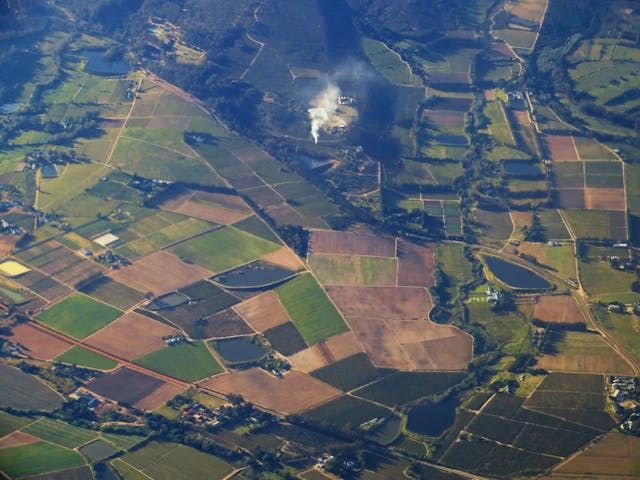
A property owner discovers that a neighbour has extended a wall, constructed a structure, or occupied a portion of their land. What may initially appear as a minor issue can quickly turn into a serious legal conflict. Encroachment is one of the most common causes of boundary disputes, and it directly affects ownership rights. Addressing such issues requires a clear understanding of legal remedies available under civil law.
Understanding Encroachment in Property Matters
Encroachment occurs when a person unlawfully occupies or uses a portion of another’s property. This may involve construction, fencing, or even gradual extension of land usage over time. In many cases, encroachment is not immediately noticed, which allows the issue to develop into a larger dispute.
In civil matters, even a small encroachment is taken seriously, as it interferes with ownership rights. Courts recognise that every part of a property is legally protected.
Legal Consequences of Encroachment
Encroachment can lead to significant legal consequences. Courts may order the removal of unauthorized structures and restoration of the original boundary. In some cases, compensation may also be awarded.
Property matters involving encroachment often require detailed examination of documents and physical evidence. Civil lawyers play an important role in presenting these aspects effectively before the court.
Filing a Suit for Injunction
One of the primary remedies in boundary disputes is seeking an injunction. This prevents the encroaching party from continuing construction or further occupation of the land. Courts may grant temporary injunctions during the initial stages of the case.
A permanent injunction may be granted after detailed examination of evidence. This ensures long-term protection of property rights and prevents future disputes.
Recovery of Possession
If encroachment has already taken place, the affected property owner can seek recovery of possession. This involves requesting the court to restore the encroached portion of land.
Such cases are treated as serious civil matters, as they involve direct violation of ownership rights. Courts may order demolition or removal of structures to restore possession.
Evidence Required in Boundary Disputes
Strong evidence is essential in resolving boundary disputes. Key documents include title deeds, survey reports, tax receipts, and prior ownership records. These documents help establish legal ownership and boundary limits.
In addition to documentation, physical inspection and expert surveys are often used to support claims. Courts rely on both documentary and factual evidence.
Role of Civil Lawyers in Property Disputes
Boundary disputes require careful handling of legal procedures and evidence. Civil lawyers assist in drafting legal notices, filing suits, and representing clients in court.
Their role also includes advising clients on the most practical course of action, whether through litigation or settlement. Effective legal representation can significantly influence the outcome.
Importance of Timely Legal Intervention
Ignoring encroachment can weaken a property owner’s position over time. Delay may create complications, especially if the encroaching party continues to use the land.
Taking prompt legal action ensures that rights are protected and prevents further escalation. Early intervention is often key in resolving such disputes efficiently.
Disclaimer: This article is intended for general informational purposes and does not constitute legal advice. The appropriate procedure for encroachment, boundary disputes depends on the specific facts of each case and should be assessed by a qualified legal practitioner.
This article has been authored and reviewed by Adv. Rohith Kuriakose, Advocate, and reflects professional legal insights for informational purposes.
For individuals dealing with encroachment, boundary disputes, or other property-related civil matters, Rohith Associates provides clear, process-oriented legal support to help secure rightful ownership and resolution.